Front of House vs Back of House: What 30 London Hotels Reveal About Hospitality Operations
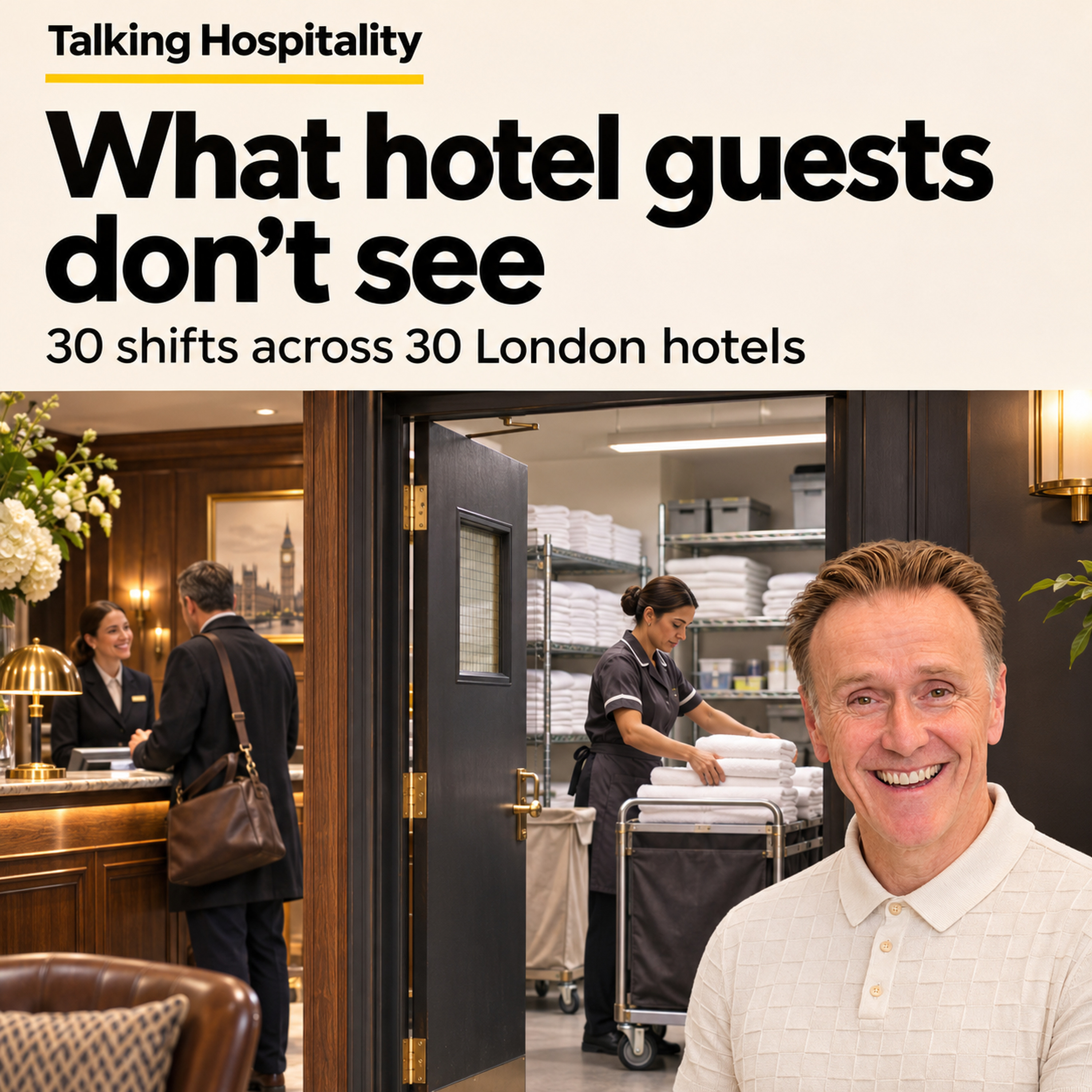
Working 30 shifts in 30 different London hotels reveals that while back-of-house operations focus on invisible efficiency and rigid task execution, front-of-house roles thrive on spontaneous human connection and personalised guest engagement. This stark contrast defines how modern luxury properties manage daily hotel operations.
Key Takeaways
- Back-of-house operations rely heavily on structured software like PMS and time-tracking systems to streamline housekeeping and kitchen workflows.
- Front-of-house positions, such as doormen and concierges, operate with fewer rigid rules, placing higher value on authentic personality and immediate guest satisfaction.
- Luxury and budget hotels use entirely different operational frameworks to achieve the same fundamental goal of welcoming and housing guests.
- Technology acts as an operational enabler, freeing up staff from administrative pen-pushing to focus on high-touch customer service.
- Cross-departmental exposure highlights that departments like housekeeping and culinary production are physically demanding yet vital to the guest experience.
The Operational Divide: Front vs. Back of House
When hospitality professionals examine hotel operations, they often look at the property as a single cohesive unit. However, spending consecutive shifts across thirty distinct London properties uncovers a profound operational divide. The back of house functions like a well-oiled factory. Kitchens, housekeeping departments, and inventory management teams operate on tight schedules, strict hygiene guidelines, and precise measurements. Every minute spent cleaning a room or plating a dish is tracked and optimized through digital software such as Opera Cloud, MEWS, and Unifocus.
Conversely, the front of house operates with a fluid, human-centric mandate. Employees stationed at the entrance, the front desk, or the concierge podium manage unpredictable human variables. While a room attendant must adhere to a standardized checklist to ensure a room meets brand compliance, a doorman or concierge relies heavily on intuition, local knowledge, and spontaneous charm. This fundamental difference shapes how hotel staff experience their daily work environments.
The Hidden Intensity of Back of House Roles
Working behind the scenes in hotel kitchens and housekeeping departments exposes the immense physical and mental stamina required to keep a luxury hotel running. Housekeeping teams, in particular, face relentless physical demands. Every bed made, bathroom scrubbed, and linen changed requires meticulous attention to detail under tight turnaround windows.
Similarly, back-of-house culinary teams create complex menus and high-volume preparations without the immediate gratification of customer feedback. Cooks and chefs produce exquisite dishes, yet they rarely see the expression of delight on a guest's face when the plate arrives at the table. This lack of direct guest interaction means back-of-house workers must find motivation in craftsmanship, teamwork, and operational excellence rather than external applause.
The Freedom and Improvisation of Front of House Duties
In contrast, front-of-house roles offer a stage for personal expression. Working as a doorman or a concierge allows for a unique level of autonomy. As experienced hospitality leaders note, being a doorman comes with very few rigid operational constraints compared to the strict sequence of service required in food and beverage operations. The primary objective is singular: make arriving and departing guests feel genuinely valued and happy.
This freedom requires a specific personality type. Sincerity cannot be faked in guest-facing roles. Travelers immediately recognize when a greeting is manufactured versus when it stems from a genuine desire to assist. The best front-of-house professionals leverage their emotional intelligence to transform a standard hotel arrival into an unforgettable memory.
How Technology Bridges the Gap
Technology plays a critical role in unifying front-and back-of-house departments. Modern property management systems and operational software remove the friction of manual ledger keeping. Instead of relying on paper logs and frantic phone calls to reception, housekeeping management software instantly updates room status availability in real time.
This technological integration directly impacts the guest experience. When administrative tasks and room status updates are automated, front-desk staff spend less time looking at computer screens and more time engaging with guests. Technology does not replace human hospitality; rather, it provides staff with the time and resources needed to deliver exceptional, high-touch service.
Conclusion
Examining thirty different hotels highlights that while physical structures and software systems vary wildly across London's hospitality landscape, the core driver of success remains unchanged: the people. Whether managing the invisible efficiency of the back of house or the charismatic engagement of the front of house, hospitality professionals deliver the magic that makes a hotel stay memorable.
To hear more about the insights gained from working thirty shifts in thirty hotels, Listen to the full episode of Talking Hospitality for an in-depth conversation on industry operations, charity initiatives, and leadership.
Frequently Asked Questions
What is the main operational difference between front-of-house and back-of-house hotel roles?
Back-of-house roles focus on structured efficiency, physical stamina, and strict adherence to timelines and cleanliness standards, often with minimal guest contact. Front-of-house roles focus on human interaction, emotional intelligence, and spontaneous guest engagement with greater operational autonomy.
How does technology assist hotel housekeeping and reception departments?
Modern property management systems and real-time tracking software automate room status updates. This allows housekeeping teams to communicate when rooms are ready instantly, eliminating the need for manual phone calls and giving receptionists more time to interact with guests.
Why do front-of-house staff like doormen and concierges require high emotional intelligence?
Because front-of-house employees represent the physical and emotional gateway of the hotel, they must read guest moods accurately. Sincere, personalized interactions create lasting impressions that define a luxury hospitality experience.
Why is back-of-house work often considered less gratifying in terms of customer feedback?
Culinary and housekeeping staff rarely interact directly with the end consumer enjoying their work. Unlike front-of-house workers who receive immediate verbal appreciation from guests, back-of-house teams derive their job satisfaction from peer collaboration and meticulous craftsmanship.

How to Salvage a Wedding Cake Disaster: Lessons From Hospitality Veterans