How Can Hospitality Help Women Feel Safer?


 Apple Podcasts

 Spotify

 YouTube

 Audible

 RSS Feed

 Amazon Music

 Spreaker

 Castro
Key Takeaways
- Sarah Walker highlights that women's safety in hospitality extends well beyond venue entrances, encompassing both guest experiences and the often-overlooked safety of female staff during late-night travel home.
- Signing up to the Women's Night Safety Charter offers businesses a structured, one-stop shop framework that includes seven actionable pledges such as nominating a safety champion and establishing clear reporting procedures.
- The 'Ask for Angela' initiative serves as a crucial discreet code word for anyone feeling vulnerable or unsafe on a date or night out, allowing trained venue staff to intervene and assist appropriately.
- Male allyship is vital for changing workplace culture; bringing men into the conversation helps them understand the daily precautions women must take and fosters a supportive environment where reports are taken seriously.
- Practical measures such as Welfare and Vulnerability Engagement (WAVE) training and becoming a recognized Safe Haven enable hospitality operators to offer immediate, practical assistance like phone charging or safe spaces to vulnerable individuals.
How safe do women really feel when they're working, travelling or socialising at night? And what can hospitality businesses do to make a difference?
Trigger Warning: This episode contains themes of sexual assault and harassment. If you need help or support please visit our free resources page at talkinghospitality.com
From getting home after a late shift to knowing where to turn when something feels wrong, women's safety extends well beyond the entrance to a venue.
In this episode of Talking Hospitality, Timothy R Andrews and co-host Tracey Rashid welcome Sarah Walker, Women's Night Safety Charter Project Manager at Safer Business Network, to discuss how hospitality can play a practical role in tackling violence against women and girls.
Sarah explains London's Women's Night Safety Charter, its seven pledges and how businesses can turn their commitments into everyday action.
The conversation also highlights a group often overlooked in discussions about venue safety: the women working in hospitality themselves.
Together, they explore why staff need confidence in reporting procedures, the importance of male allyship and how operators can create working environments where concerns are taken seriously.
Sarah also shares an example from Brentford Football Club, where listening to an older female supporter revealed a safety concern that had stopped her attending winter matches. It's a reminder of the difference that asking questions and listening can make.
In this episode, we discuss:
- Why women's night-time safety matters to both guests and employees.
- What the Women's Night Safety Charter asks businesses to do.
- How the Ask for Angela initiative helps people experiencing vulnerability.
- Why reporting procedures must be supported by workplace culture.
- The role men can play in understanding and supporting women's safety.
- How Welfare and Vulnerability Engagement (WAVE) training helps frontline teams.
- What becoming a Safe Haven means for hospitality businesses.
- Practical steps operators can take immediately.
Take action: Resources discussed
Women's Night Safety Charter
Learn about the seven pledges and how your organisation can become a signatory.
https://saferbusiness.org.uk/womens-night-safety-charter/
Safer Business Network
Find out more about the organisation delivering the charter and supporting safer businesses and communities.
Ask for Angela
Learn how the initiative enables someone who feels unsafe or vulnerable to discreetly request assistance from trained venue staff.
Welfare and Vulnerability Engagement (WAVE) Training
Explore training designed to help hospitality teams recognise vulnerability and respond appropriately.
https://www.saferbusinesstraining.org.uk/wave
Safe Havens
Discover how businesses can offer practical assistance to people who feel vulnerable or need help continuing their journey safely.
https://saferbusiness.org.uk/safe-havens/
British Transport Police
For information about reporting sexual harassment on the railway:
https://www.btp.police.uk/police-forces/british-transport-police/areas/campaigns/Sexual-Harassment/
Wellbeing support
If anything discussed in this episode has affected you, our wellbeing partner Kelly's Cause provides mental health support and resources for the hospitality industry.
If someone is in immediate danger, call 999.
Episode sponsor: Tork
This episode is sponsored by Tork, a leading global professional hygiene brand supporting hospitality businesses with practical hygiene solutions that help create comfortable, welcoming environments for guests and staff.
Discover more:
https://www.torkglobal.com/gb/en
Talking Hospitality
Hosted by Timothy R Andrews, with co-host Tracey Rashid.
Moving The Hospitality Conversation Forward.
Frequently Asked Questions
What is the Women's Night Safety Charter?
Created in London, the Women's Night Safety Charter is a commitment for businesses and organisations to help tackle violence against women and girls by following seven key pledges, such as nominating a safety champion and improving reporting procedures.
How does the Ask for Angela initiative work in hospitality venues?
Ask for Angela is a code word initiative that allows customers who feel unsafe or uncomfortable on a date or in a venue to discreetly approach staff at the bar and ask for 'Angela', prompting trained employees to safely remove them from the situation.
Why is staff safety important in discussions about night-time safety?
Staff safety is frequently overlooked, yet women working in hospitality often work late-night shifts and need reliable reporting procedures, workplace culture support, and safe travel arrangements home just as much as guests do.
What is a Safe Haven in the context of hospitality?
A Safe Haven is a participating venue during its opening hours where vulnerable individuals—such as tourists or people whose phones have died—can seek practical assistance, a safe space, and help continuing their journey safely.
[00:00:00] Tracey Rashid: She said, "I come to the games during the summer, but in the winter I don't," because she said it's dark. She only lives across the road from Brentford I've seen a lot of people are thinking of the customer coming in, but not actually the people working there or the women working there.
[00:00:13] Timothy R Andrews: How can hospitality help women feel safer at night?
This episode is sponsored by Tork, a leading global professional hygiene brand. Tork helps hospitality businesses create easy-to-maintain, comfortable washrooms that work better for businesses and guests. When guests have a positive washroom experience, they're more likely to stay longer, spend more, and leave with a better impression of your venue.
Trigger Warning: This episode covers themes of sexual assault and harassment. If you [00:01:00] need help or support please visit our Free Resources page at TalkingHospitality.com
Welcome to the show, Talking Hospitality. I'm Timothy R. Andrews, and my co-host is Tracey Rashid.
[00:01:12] Tracey Rashid: Hello. Hello, Tracey.
[00:01:13] Timothy R Andrews: How are you doing?
[00:01:13] Tracey Rashid: I'm good. How are you, Tim?
[00:01:15] Timothy R Andrews: I'm all right, but I've got some quite harrowing statistics- Mm ... that I'm gonna share with you.
One in two women feel unsafe walking alone at night, and if you compare that to men, it's one in five.
Only 33% of women feel safe on public transport at night. 97%-
[00:01:35] Tracey Rashid: Wow ...
[00:01:35] Timothy R Andrews: of women aged 18 to 24 are said to have experienced sexual harassment in public spaces, with 53% of those in licensed premises.
So today's episode, we are looking at how can hospitality help women feel safer at night? Joining us today is Sarah Walker, project manager of the Women's Night Safety Charter for London [00:02:00] from the Safer Business Network. We'll be exploring what the charter means for hospitality, how businesses can put commitments into practice, and what can you do to help women feel safer in your venue.
Sarah, welcome to the show.
[00:02:15] Sarah Walker: Thank you for having me.
[00:02:16] Timothy R Andrews: Thanks for coming
[00:02:16] Sarah Walker: along.
[00:02:17] Timothy R Andrews: It's good to be here. It's a very important subject,
[00:02:19] Tracey Rashid: Yes, and one that a lot of people don't want to talk about, but we need to talk about.
[00:02:23] Sarah Walker: Yeah, definitely. It's... That open conversation needs to happen- a lot more than it does.
[00:02:28] Tracey Rashid: So talking of our conversation, let's go straight into what the Women's Night Safety Charter is all about. When was it created and why?
[00:02:38] Sarah Walker: So the Women's Night Safety Charter was formed back in 2018 by the then Night Czar, Amy Lamé, and the Mayor of London, Sadiq Khan. Too many reports were coming through that women felt unsafe when travelling, socialising, and working across London, so the charter was created in that support for all businesses and organisations, predominantly then in the nighttime economy.
So [00:03:00] we were talking about hospitality venues, clubs, bars, pubs, and the security industry, 'cause obviously they work- Of course ... the doors on many of those venues. In focusing on helping support those businesses and organisations in tackling violence against women and girls, I was actually a signatory back in 2018- Mm
for the organisation I was working for, and there was a couple of summits that took place, or conferences, that Amy hosted, and bringing that, some of those businesses and organisations at the time that were signed together to talk about the issues that they were facing and how the charter could move forward.
Unfortunately, COVID happened and things ground to a halt. In 2021, I was asked to come in to look at the charter and do a scoping exercise back then with the signatories that were signed. , That was hospitality venues, et cetera, and the security industry. So we did a survey out to them.
I did one-to-one interviews, and focus groups with them to understand what was, their lived experiences. Mm-hmm. I think it's really important when we talk [00:04:00] about the safety of women and girls that we remember staff in this. Staff do get forgotten, and there's a lot of women that work in the hospitality industry,
and as we know with the hospitality industry, sometimes they're working 24/7. They work through right to the morning if the venues are open till that late,
so it's making sure that we were helping them in that travel home. It's not about asking organisations to start paying for taxis- Mm ... or that sort of thing. It's simple steps that we can help in tackling violence against women and girls. From that scoping exercise that we did, we put forward some recommendations.
There were seven in total that we gave to the mayor, and that's what we started to deliver on for the next couple of years. They wanted the charter to have its own identity and to grow with the sectors that were- Mm ... signing to it. Fast forward to now, I'm still involved and , we've just had a renewal for the next three years, so I'm here till March 2029.
And we've got over three and a half thousand signatories to the charter. So when I originally carried the scoping exercise, there was about 340.
[00:04:59] Timothy R Andrews: Oh, wow.
[00:04:59] Sarah Walker: So it's [00:05:00] grown- That's a lot of growth ... massively. And in all industry sectors now, so we're not just focused on hospitality, although the main runners of those that are signed are within the hospitality industry, 'cause it's still that late night provision.
We are seeing more and more daytime economy industry sectors signing up as well, retail. We've signed all the premiership football clubs, just to name a few. . We're like a one-stop shop that provides businesses taking those first steps in tackling violence against women and girls within the organisations, what they should have in place, the policies.
We're still at that point where people are afraid to- Mm-hmm ... come forward. Especially staff. Staff are frightened to report things because they feel that their jobs,
[00:05:35] Tracey Rashid: it'll affect their-
[00:05:36] Sarah Walker: Yeah ... career sort of thing. Yeah. Mm-hmm. Massively, especially for women. Mm-hmm. And they're not gonna be believed either. Unfortunately, we're 2026 and we're still hearing and seeing this happening, it's making sure that businesses have that right reporting structure in place. So should members of staff report things, they are taken seriously, and they can see the steps that would be taken to support them on that journey-
[00:05:57] Tracey Rashid: Yeah
[00:05:57] Sarah Walker: in dealing with it.
[00:05:58] Tracey Rashid: I'm so glad you said [00:06:00] staff,- I assume a lot of people are thinking of the, the customer coming in, but not actually the people working there or the women working there, and that's just as important.
Everyone needs to feel safe and protected wherever they're going. But it's so refreshing to know that so many venues have signed the charter. What does it actually require them to do? By signing it.
[00:06:19] Sarah Walker: There's seven pledges to the charter. But , we're asking them to meet those pledges.
To sign, they don't have to meet any of them. They generally do. They're generally doing something. So the first one I can say is to nominate a champion, so that's someone within that organisation that champions women's safety. Can be male or female. I'm always asked that question, "Does it have to be female 'cause it's a women's charter?"
And I think it's important though that it's both. Yeah. And I'll mention there, as I've mentioned males, male allyship, it's really important in the work- Mm ... that we do, and having men in the room so they understand what women go through, as well as being that supportive mechanism should, to support their staff- Yeah
. So it's really important. So it's nominate that champion. That champion then is that person that I'm in contact with, [00:07:00] all the information that I share out around the charter is going to that champion, and we expect that champion to disseminate that through the organisation. It doesn't have to be someone of CEO or management level.
It can be someone that's a grassroots level within the organisation, but , really important is that they support women's safety.
[00:07:17] Tracey Rashid: Mm.
[00:07:18] Sarah Walker: The others are around reporting and responding, as I previously mentioned, having those right reporting mechanisms within their organisations and, that's the staff, and if they are consumer-facing, not all businesses and organisations that are signed are consumer-facing.
[00:07:32] Tracey Rashid: Mm.
[00:07:33] Sarah Walker: It's just making sure that those right policies are there, and procedures. So making sure that, yeah, as we've mentioned, that there's a clear pathway of reporting and what that looks like. As well as that, as for victims, we talk about- if they're going to court with something, what that process looks like, how long that process is.
We know, unfortunately- Mm ... for some rape victims, it is seven years before it gets to court, so they have to relive that [00:08:00] experience day after day. And then, through talking to different organisations, i.e. the police and things, they've just got to keep reliving that. And again, for stalking victims, they're not necessarily quick to go to court, so it's that process and making sure people understand that process.
Mm. And can They mentally help themselves to do that? If not, what can we offer them? So making sure that we cover all these processes and procedures. Communication, making sure that you're communicating out on the staff notice boards or, and advising campaigns that are out there.
But if you're consumer-facing. Ask for Angela. That's the most common campaign we know that's out there, and it's a fantastic- Yes ... , making sure that the public are aware. And it should be in male toilets as well, not just female.
Women's safety is the forefront because , the data shows us that violence is generally around women. But we're not excluding any gender, and it's important to remember that when we're doing this work. , There should be posters in male toilets- ... as well for them to understand it's not a code word.
It can [00:09:00] be shared with everybody, and it's that word that is used to help that person in that situation they need removing from.
[00:09:05] Timothy R Andrews: So can I just ask, because the people listening to this may have heard of Ask for Angela, or they might not. What is Ask for Angela,
[00:09:12] Sarah Walker: It's a campaign that was created for the licenced trade originally, and if you're feeling unsafe or you're in a position of vulnerability.
For example, if you were on a date, you've met someone online, you've gone on a date, you've gone to a venue- The person's not quite what you imagined, and you really feel uncomfortable in the situation you're in, you can go to the bar. The staff should be, and generally are, trained in Ask for Angela, and you can say, "I'd like to speak to Angela, please."
That code word is Angela although it's a known word. And then the staff are properly trained to remove you from that situation. They'll generally take you somewhere safe and help with the situation, and that person leaving, and then making sure that you've got your onward journey planned on the way home, and that , you arrive safely.
So that's what Ask for Angela is
[00:09:57] Tracey Rashid: The way it's positioned, it does make it seem like [00:10:00] it's this secret for females, and don't let the males know about it. And that is, it... Yeah, it seems quite interesting that it's positioned that way, but it's not-
[00:10:07] Sarah Walker: No, it- ...
[00:10:08] Tracey Rashid: that purpose ...
[00:10:08] Sarah Walker: no, it's for anybody. Mm-hmm. And I think doesn't matter if the perpetrator is male, and he's aware of that word.
. If he overhears someone saying that, he knows that person then is uncomfortable in that situation, whether he was there to do something right or wrong, and that they need removing from that situation. Mm-hmm. They've become uncomfortable. So I think it's important everyone knows.
[00:10:28] Timothy R Andrews: Thank you. So obviously there's a lot of work gone into the Women's Night Safety Charter. Have you seen any progress? Have you got examples of where actually it's made a difference?
[00:10:37] Sarah Walker: Yeah. We work with quite a number of businesses and organisations, so it's about bringing, I'll use some of the football clubs for argument's sake. Mm-hmm. They didn't really do anything around that violence against women and girls sphere before we got them on board and signed to the charter, we started having quarterly meetings with them where we'd have really open discussions around, what does that look [00:11:00] like ?
I'm not a football fan, I don't go to football matches, so I don't understand the layout of a, a stadium and what that is for fans, female fans. Mm. And it's Really important to have those discussions with fans. You can't sit there and presume this is how they feel. 'Cause I always thought when everyone leaves a football match, they leave en masse exodus, so they're leaving all together.
I thought that's actually a good thing, is it not? But apparently not.
[00:11:22] Tracey Rashid: Mm-hmm. '
[00:11:23] Sarah Walker: Cause-
[00:11:23] Tracey Rashid: Crowd control.
[00:11:23] Timothy R Andrews: You can hide your actions, like on a train.
[00:11:26] Sarah Walker: Yeah. Right? But I didn't think, I thought you'd feel- Yeah ... safer because you've got all these people- Yeah ... around you. It gives you that sort of- Mm-hmm ... idea, but it isn't- Mm-hmm
'cause more, like you've just hit the nail on the head, so more things can happen. They're not necessarily witnessed. . It could be more indiscreet 'cause everyone's herded towards their transport links and things like that. So I think that's , really important. I can use Brentford here as an example.
They had meetings with their fan base, and they did a, a walk, talk, and do. , These are from the Met Police. You go out with an un-uniformed officer and talk to them about the issues in your area, where you feel unsafe.
It's those sort of- [00:12:00] things that we want to understand, everybody is very, very different. So Brentford did that with their fan base. Now they had an 80, I think she was 86, one of the fans, and she actually highlighted to them, they would never have known this. She said, "I come to the games during the summer, but in the winter I don't," because she said it's dark.
Yeah. She only lives across the road from- Yeah ... Brentford. But had they not done this Walk, Talk & Do, they would never have known. So now they take her to and from the game-
[00:12:24] Tracey Rashid: Oh. Oh, wow ...
[00:12:25] Sarah Walker: during the winter months- Yeah ... to help her, so she can still go out and enjoy supporting, her home team, but not feel that pressure of being unsafe
walking home. Having those conversations, it's really important, and that was a really great piece of learning- Mm-hmm ... that Brentford thanked us for, 'cause it was bringing those partners together in a room for them. They didn't know Walk, Talk & Dos existed back then, and how they could then interact with their fan base a little bit more to understand how they were feeling.
[00:12:51] Timothy R Andrews: Do you think one of the reasons why it didn't exist is because people didn't know it was happening, and now it's being communicated and reported, , they're now going, "Oh, there's some [00:13:00] action we need to take"?
[00:13:00] Sarah Walker: Yeah, and I think there's been a big shift, although
things are still very much underreported because people are afraid they're not gonna be believed or it, like we've said, it will affect jobs.
People are starting to report more. I think we are at that point where we are getting more trustworthy of the Met. We're seeing the Met Police do a lot more internally. I work with some fantastic officers.
Yes, they all are around the violence against women and girls, but there's some great officers out there, and having these sessions and understanding, I think organisations like the Met- Mm they've not been vocal in what they do. We know they're doing things, but I think the public don't see necessarily what they're doing, and we need to be more vocal.
We shouldn't be afraid to share, you shared the stats there, Tim, at the beginning. We shouldn't be afraid to share those.
Yeah. And it all... If we... BTP saw a massive increase last year in reporting. That's not a bad thing.
[00:13:54] Timothy R Andrews: Sorry, who are BTP?
[00:13:55] Sarah Walker: Sorry, British Transport Police. Sorry, acronyms there. But British Transport Police [00:14:00] did quite a bit of campaign work last year around the travelling on the tubes and the trains, but it saw an increase in reporting.
But that's not necessarily negative. Mm-hmm. It's that we're. Reporting a lot more ... and they're talking about it. They're approaching staff, the staff are trained to help support the individuals. So I think that's... We shouldn't be afraid to see the data go up because I think that the shift changes as this goes up.
It doesn't mean to say there's more happening.
[00:14:25] Timothy R Andrews: It's interesting because... that you brought that up, because just before we started the episode, I questioned to Tracy whether I should be sharing these statistics, and one of the reasons is because they are quite, when I said the word harrowing- there's no other word to describe it. They're quite shocking. And one of the things that we try to do, Talking Hospitality, is try and show what, the positivity of what the hospitality's industry's doing and try and give advice. But Tracy was like- This is real. This is real stats You have
[00:14:54] Tracey Rashid: to start
[00:14:55] Timothy R Andrews: somewhere There's no hiding behind it.
And I think that is, what you say is absolutely right, because [00:15:00] unless we have the knowledge, how can we make things better?
[00:15:02] Tracey Rashid: Mm-hmm.
[00:15:03] Timothy R Andrews: That relates also to something that you said previously. It's about when now we've got this knowledge, obviously it's about protecting women. You said men also have a role to play, male allies.
Would you like to go into a little bit more detail, perhaps what men can do to support women?
[00:15:18] Sarah Walker: Yeah, and I think just to backtrack a little bit on that, when we started talking about violence against women and girls, men felt uncomfortable in a room, and we started to see a retract of men having those open conversations and being involved.
And we worked with another club, and they got all the staff together, which included, obviously being football, a lot of the staff in football clubs are male. They got everybody into a room to do a bit of team building and a bit of talking, open talking around the violence against women and girls sector part.
And the question was asked, "What do men do to protect themselves from being raped?" It's a quite harsh question. Mm-hmm. Wow, yeah. So it went to everybody, all the staff in the room, had flip charts. They wrote down what they did to [00:16:00] protect themselves, and the women's list, as you can quite imagine, was pretty long.
[00:16:04] Tracey Rashid: Yeah.
[00:16:04] Sarah Walker: Yeah. Keys in your hands, spray in your bag. I won't go on, but it-
[00:16:08] Tracey Rashid: Mm ...
[00:16:08] Sarah Walker: the men couldn't think of anything to write.
[00:16:10] Tracey Rashid: Oh, my goodness.
[00:16:11] Sarah Walker: And they were then shocked about what women do. They didn't know what women do, and, they're not conversations we generally have, are they?
[00:16:19] Tracey Rashid: Yeah.
[00:16:19] Sarah Walker: Mm. I don't say to my husband, "I'm going out tonight.
I've got my keys " Yeah. It's just not that dialect. Mm. It's not how we do it. We know how to protect ourselves when we're walking and we're out and travelling. It's- Having conversations, having those men in the room so they understand for us as females. One of the things I learned when I first started doing this role was you said to an age group of, say, 18 to 25, "If you were behind a woman on a dark street walking behind her, what would you do?"
They generally would say, "We would cross the road to make her feel more comfortable, that we're not quite behind her." Mm. And but you ask the same question to someone that's sort of 65, 70, they'll say, "Oh, I speed up so she knows that I'm there, so she knows that she [00:17:00] feels comfortable." Mm. Neither are wrong.
[00:17:02] Shape The Future - Talking Hospitality Theme 2026: Yeah. Yeah.
[00:17:02] Sarah Walker: But it's the different perspectives of different age groups, and for them understanding what women have to go through. So I think having men in the room is really important. So the summit we held, we hold a summit every year for the charter signatories. It was February this year, and 50% of the room were men, and that's the first time.
[00:17:19] Tracey Rashid: Oh, that's amazing.
[00:17:20] Sarah Walker: And that was really important. . Because having them in the room so that they can take that away and understand is vitally important.
[00:17:27] Timothy R Andrews: So I went to that.
There were some men that were quite defensive, but what we did is break that down because it had to be recognised that this is not an attack on men. This is understanding that this is an experience of women, and we as men-
[00:17:40] Tracey Rashid: Couldn't
[00:17:40] Timothy R Andrews: do ... can't dictate- Mm-hmm ... what a woman feels. What we didn't know, 'cause we don't live that, we don't live with, sometimes where you live depends- Yeah.
But as a general rule, like one in five, we don't put our keys, to hand. We don't think about whether we've got pepper spray in our bags because we don't think about it Right?
And it's not talked about Like you said, you don't even speak to your husband about it.
[00:18:00] It's just something that you do, which is so wrong, isn't it? It's not wrong that you do it, but it's wrong that you feel that you have to do it. That
[00:18:05] Tracey Rashid: you have to. Yeah.
[00:18:06] Timothy R Andrews: And I think that was, it was such an eye-opening experience for me. And then you start seeing all these other things that go on in the workplace and people, how they feel, where their confidence isn't where it should be because of various microaggressions or whatever.
But once you get it, you can't unsee it.
[00:18:22] Tracey Rashid: Mm.
[00:18:22] Timothy R Andrews: It was a really, really valuable conversation for me to have because it makes me more aware of things, and I do give people my seat and walk away if I have to, because I need them to feel safe.
[00:18:32] Tracey Rashid: Yeah.
[00:18:33] Timothy R Andrews: There's just these things that you do once you're aware.
[00:18:35] Tracey Rashid: Yeah. I'm glad you brought up the workplace, actually, Timothy. Thank you for that segue. Sarah, you wrote a post on LinkedIn in August that said, "Creating safe environments isn't just about policy training or campaigns, it's about culture." So I'm sure a lot of our listeners are thinking, "Yeah, we've got stuff in place.
We're fine." But how do operators know that they've created a culture that makes people safe to report such instances?
[00:18:59] Sarah Walker: It's so [00:19:00] important, especially for hospitality. We're going out to enjoy ourselves- ... meet friends, go for a drink after work. I generally, where I've gone, feel quite comfortable.
We see that staff are trained continuously. I know there's a huge turnover in the hospitality industry, but generally staff are well-trained, so you do feel comfortable in those environments. But , it's understanding the different cultures that are out there. There's a lot of industries that we work in, and it's only now that we're seeing it with the buses in transport.
So they've brought in training for all bus drivers around violence against women and girls. Mm-hmm. I was talking to the company that were instigating this training, and I said to them, "But you need this in numerous languages." Where I don't live in London, I live outside of London, we've got a huge Nepalese community, and a number of them drive the buses.
Mm-hmm. But , their first language isn't English. So I said, "They need to understand, that they shouldn't be the person that's on the receiving end." There was a young girl local to me on a bus, school, in school uniform. There was a man behaving in a [00:20:00] manner that he shouldn't have been, but the school girl was removed from the bus, not- Ooh
the man. And so it's understanding the situations people are in, and it's understanding people's different cultures. Mm. It's not so easy. I've been talking to some women today around that, the different cultures and the violence that comes with that. Not everybody understands that, and it's not so easy for them to ask for help either.
They said to me, you've got husbands that will say if you don't do as you're told, I'll take you back to where we lived, back to our own country, and then you'll understand what I'm talking about.'" So there's threatening., It's a bigger picture. Hospitality is
A place that we use we're comfortable in. If you're a regular, they're gonna see you. They're gonna know when something's not sitting quite right or you're not quite right, you're not looking quite right, and I think that's really important. They're a big base of our communities, and without the hospitality industry, the night-time economy wouldn't exist.
No. And we need the night-time economy. , It's good for our wellbeing and it's the glue for communities. Yeah. Definitely. And these spaces aren't just used, we talk about licensed [00:21:00] venues, pubs, clubs, bars. They can be used to meet, have community meetings in during the day. And we're seeing more fabric, for argument's sake.
They were a club, they had problems. They've now reinvented themselves, and they're more around culture, and it's understanding that, and these sort of places can make such a difference in changing and supporting- Mm ... vulnerabilities and violence. People know somewhere they can go.
[00:21:23] Timothy R Andrews: Let's say I'm a venue owner. I'm going, "Okay, I don't wanna have this problem. I want women to feel safe in my environment." What are the actions that you would recommend that they do?
[00:21:34] Sarah Walker: Sign up to the Women's Night Safety Charter today if they haven't done so.
The support's pretty instant in what we give them. We've got a channel that we share the login details with for all our signatories when they sign, and it- I use it as like a one-stop shop.
[00:21:48] Tracey Rashid: Mm.
[00:21:48] Sarah Walker: They have access to everything. They can talk to me directly.
[00:21:52] Tracey Rashid: And they talk to each other as well, or...?
[00:21:53] Sarah Walker: Yeah.
Yeah. We can do introductions between organisations, and we... The summit's very good for that. They're all signatories that [00:22:00] generally come to the summit, and they, it's, there's so many networking opportunities that they can talk to other organisations and businesses. So that would be my number one. Number two is definitely training That's a priority, making sure that all your staff are trained.
We deliver the welfare and vulnerability engagement training at Safer Business Network. It's hugely popular, and it's probably the lead in the trade. We do one for hospitality. We also do one for retail. Oh,
[00:22:23] Tracey Rashid: great.
[00:22:24] Sarah Walker: We do other training as well, safe havens where businesses and organisations can become a safe haven, and that's to help someone with their onward journey should they become vulnerable through their mobile phone dying, they need a glass of water.
Very simple steps, but they're gonna continue with their journey. So there's lots of training out there. The second point to that training is refresher training. We know there's , a churn of staff within the hospitality. Six months, you should be doing some refresher training and making sure that we're capturing those staff that are coming through.
And even if they move on to another venue, it's not a bad thing that they're doing refresher training with that other venue. So that's a really important [00:23:00] factor. And I think the third one would be to become a safe haven. Mm-hmm. The Safe Haven programme sits under the charter as well now. It's, there's a huge link.
So our purpose is if you're signed to the charter and you're not a safe haven, why are you not? And if you're a safe haven and you're not signed to the charter- ... why are you not? They link really well together, and having your communities know that your place is a safe space to go to should they become vulnerable.
They might not be in with you every day, and that can be any business or organisation. It's during their opening hours- Mm ... so there's no effect to insurance or anything like that. That would be my third suggestion, and then people know then when they're in a town or city, they know where those safe havens are.
They're mapped, so you can download and see where they are when y- if you're travelling to another town or city.
[00:23:41] Timothy R Andrews: What is a safe haven?
[00:23:42] Sarah Walker: A safe haven is, a place where someone who's become vulnerable can go to, so it may be your phone's died. You're a tourist. You're visiting. You've lost the people that you're with, and you can go in and ask for help. So they receive training. There is training behind this becoming a safe haven, and those staff are trained in what [00:24:00] vulnerability is, what it looks like, and it comes in all different shapes and forms,
[00:24:02] Shape The Future - Talking Hospitality Theme 2026: mm-hmm.
[00:24:03] Sarah Walker: We're not asking you to step in and replace any emergency services. So if someone comes to you because they've fallen over and taken a bang to the head, that would still be 999 and your ambulance. We're literally asking you just to assist in that onward journey.
So phone dies, you'll offer that mobile phone charging enough that they get enough charge that they can ring someone or book a taxi. They can wait with you until that taxi turns up or the person, family member or friend- Yeah ... has come to collect them.
[00:24:27] Timothy R Andrews: Sarah thank you so much for joining us today and for all the hard work you've been doing to keep women safer
[00:24:33] Tracey Rashid: Mm-hmm.
[00:24:34] Timothy R Andrews: Sarah has shared a lot that you can do right now, in order to help combat violence against women and girls.
The first to make sure you have sufficient reporting structures in place, in the event of an incident occuring. The second, is sign up to the Womens Night Safety Charter today. Third, nominate a Womens' Safety Champion it doesn't have to be a woman. Fourth, make sure you have the right policies and [00:25:00] procedures in place, and that your team is aware of them. Fifth, ensure your team understand and are trained in "Ask For Angela". Finally consider becoming a Safe Haven.
[00:25:10] Tracey Rashid: If anything we have discussed in today's episode has affected you Our wellbeing partners, Kelly's Calls, can help you explore the support that's available. Visit kellyscalls.com, and you'll find the link in the episode below
[00:25:25] Timothy R Andrews: And you'll also find links to the Women's Night Safety Charter as well
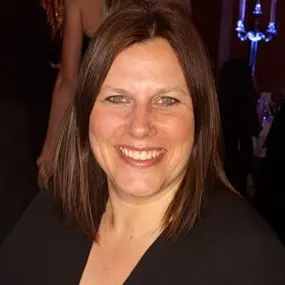
Women’s Night Safety Charter Project Lead | Safer Business Network
Sarah Walker leads the delivery of the Mayor of London’s Women’s Night Safety Charter at Safer Business Network. She works with businesses and local partners to improve safety for women working, travelling or going out at night.
Sarah has more than 25 years’ experience in the evening and night-time economy. She previously worked at the British Institute of Innkeeping, co-ordinated Best Bar None nationally and managed the Purple Flag programme. Her work has taken her to towns and cities across the UK and internationally.
On Talking Hospitality, Sarah joins Timothy R Andrews to discuss how we can make hospitality safer for women and what leaders and their teams can do to improve safety for staff and guests.