Happiness Is Not the Reward of Success. It’s the Cause
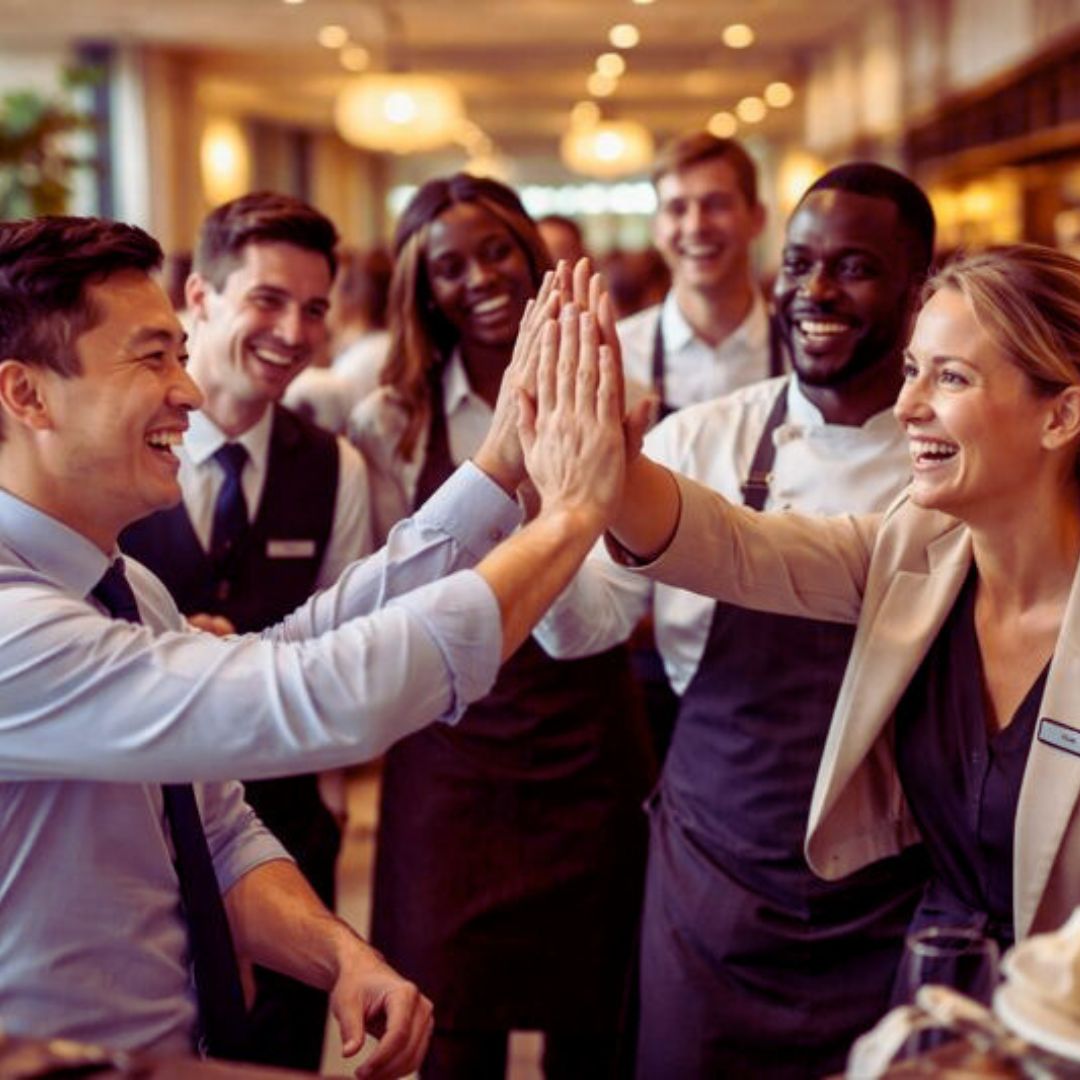
In the high-pressure world of hospitality, some would argue, we have long subscribed to a specific, grueling formula for life.
It is a blueprint that has been drilled into every chef, hotelier, and service professional from day one since time immemorial: Work hard, survive the double shift, secure that promotion or Michelin star, and then—once you are successful—you will be happy.
We treat happiness as a reward waiting at the finish line of a marathon that never ends. The problem is, this formula is broken. Every time we achieve a victory—a full booking sheet, a rave review, a promotion—the goalposts of success are pushed further out. If happiness is always on the other side of success, we never actually get there.
Through my work with WHAD (Wellbeing + Happiness thru’ Architecture + Design), and drawing on the research of positive psychology, the data is clear: we have the order entirely backward. Happiness is not the result of success; it is the precursor to it,.
The Hospitality Happiness Advantage
This concept, known as the Happiness Advantage, proves that the human brain does not perform best when it is stressed, neutral, or exhausted—it performs best when it is positive,. In hospitality, this is not just a "nice-to-have"; it is an operational necessity.
Why?
Because in our industry, emotions are contagious. Research shows that just one positive team member can infect a whole group with their mood, improving cooperation and performance. Conversely, if your back-of-house team is burnt out and your front-of-house staff are running on empty, that negativity bleeds into the guest experience. Guests can taste the stress in the food and feel the tension in the service.
When we prioritise the well-being of our teams before the rush hits, we gain a competitive edge. Happy employees are more creative, resilient, and productive,. They are better at solving problems on the fly and recovering from the inevitable stressors of service.
Why "Happier" and Not "Happiness"?
You might notice I often use the term "Happier" rather than "Happiness"—it is the philosophy behind The Ministry of Happier. This distinction is critical, especially in an industry as demanding as ours.
"Happiness" often sounds like a static destination or a binary state: you are either happy or you are not. It can feel like an impossible standard, especially after a 14-hour shift. It implies a "yellow smiley face" ideal that feels fake and unattainable.
"Happier," however, is a direction, not a destination. It is a verb in disguise. It acknowledges that we will have difficult days, but empowers us to take small steps to be happier today than we were yesterday. It shifts the focus from the impossible goal of permanent bliss to the actionable goal of incremental gain. Whether you are currently struggling or thriving, "happier" is accessible to everyone. It is about "living joyfully" in the now, rather than waiting for a future payoff.
Designing for EGM in Service
To move toward "Happier," we need to redesign our work lives using the EGM formula:
* Experiences:
We obsess over the guest experience, but we must curate positive experiences for our teams. Small gestures—like a "clean work area" or a genuine "thank you"—create micro-moments of positivity that buffer against burnout.
* Growth:
Stagnation kills morale. We must ensure our teams feel they are learning and mastering their craft, not just functioning as cogs in a machine.
* Meaning:
This is the shift from viewing service as "servitude" to viewing it as "connection." Research shows that hospitality workers who view their work as facilitating human connection and joy are more resilient and less prone to burnout.
The #SBB Approach: Small But Big
We don't need to rebuild the entire hotel or restaurant to start. We can use the #SBB (Small But Big) approach,. Look at your staff break room—is it a windowless cupboard, or is it a space designed for restoration? Does the "family meal" (Staff Dining) facilitate bonding, or is it rushed?
By applying WHAD principles (optimising Kitchen and Dining environments) to our staff areas, we respect the biological needs for recovery,. A well-rested, well-fed team that feels "seen" will always outperform a team that is running on fear and caffeine.
Stop waiting for the "quiet season" to prioritise well-being. Happiness is a work ethic. It is a skill we train. By designing our workplaces to foster joy now, we create the fuel necessary to achieve the success we desire.
***
About The Author:

Frven Lim
Coach, Author, Founder of The Ministry of Happier
Frven is known for his work in integrating wellbeing, clarity, purpose and happiness into design and daily living. He has spent 25 years designing built environments and frameworks for human flourishing.
https://theministryofhappier.com/
Email: Frven@theministryofhappier.com
How Safe Do Women Feel Working in Hospitality?