
How Can You Have a Sober Christmas and Still Enjoy It?
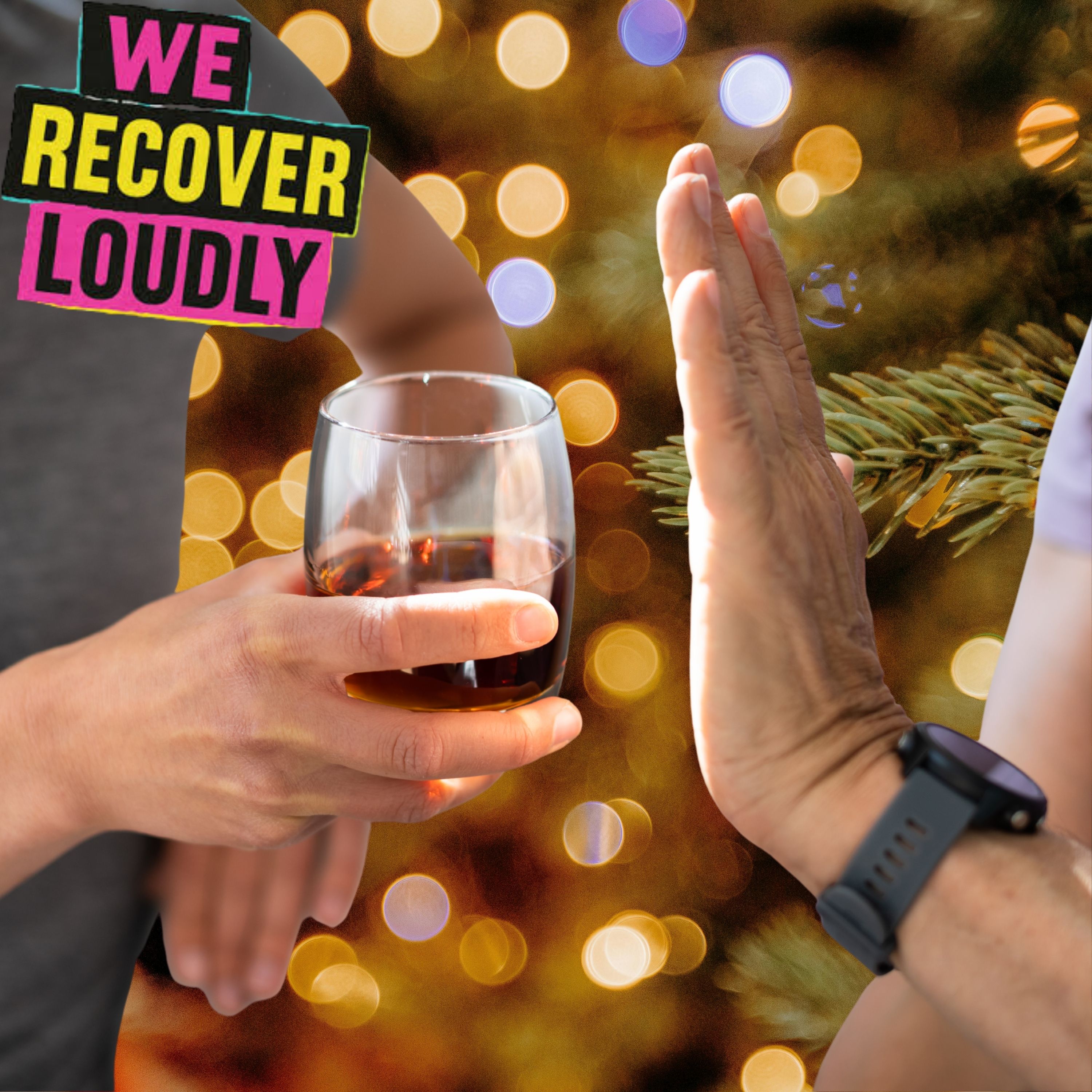
In hospitality, Christmas and alcohol are often treated as inseparable. Long shifts end with drinks. Celebrations are built around bottles. Stress relief is poured, not discussed.
But that assumption is starting to shift — and not just because of recovery stories. Increasingly, people are choosing not to drink at Christmas for lots of reasons: mental health, physical health, performance at work, or simply because it no longer serves them.
The question many hospitality professionals are asking quietly is this:
Can I have a sober Christmas and still feel part of it?
The answer, as Shell Righini - founder of "We Recover Loudly" -a podcast and community that shares honest, lived experiences of addiction and recovery - puts it, is yes. And, in many ways, it’s better.
Sobriety isn’t about punishment — it’s about fuel
Shell reframes December in a way that lands hard for anyone who works service:
"If you’re working hospitality at Christmas, you’re an elite athlete"
You’re doing extended hours, intense physical labour, emotional regulation, and constant decision-making. Elite athletes don’t fuel themselves on exhaustion and numbing. They eat properly. They rest. They hydrate. They recover.
From that perspective, sobriety stops being about deprivation and starts being about performance and self-respect.
This matters right now, because December is when people push themselves the hardest while giving themselves the least back.
The myth of “missing out”
One of the biggest fears around a sober Christmas is social:
Will I still belong if I’m not drinking?
Shell speaks candidly about this from lived experience. Early sobriety can feel awkward — especially in an industry where after-shift drinks have historically been how teams bond, debrief, and decompress. But she also points out something quietly powerful: when one person says they’re not drinking, others often feel relieved.
Not pressured. Relieved.
Because plenty of people don’t actually want the drink — they just don’t want to be the first to say no.
Celebration doesn’t disappear when alcohol does
A sober Christmas doesn’t mean a “lesser” Christmas. Michelle is very clear on this point.
You still deserve:
A proper drink — just without alcohol
Something special, not an apologetic squash
Pleasure, indulgence, and enjoyment
Whether that’s a high-quality non-alcoholic cocktail, kombucha, alcohol-free spirits, or something entirely different, the principle is the same: removing alcohol does not remove your right to celebrate.
In fact, Shell encourages people to upgrade their sober choices — and to use the money saved from not drinking to treat themselves properly. That’s not indulgence. That’s recognising effort.
Why this matters for leaders
This isn’t just a personal choice issue. It’s a culture issue.
When managers assume that Christmas bonding equals drinking, they unintentionally exclude:
People in recovery
People protecting their mental health
People who don’t drink for personal or cultural reasons
A growing proportion of younger workers who simply choose not to drink
Shell highlights a shift leaders can’t ignore: large numbers of Gen Z don’t drink at all. If hospitality continues to centre alcohol as the primary reward, motivator, or social glue, it risks becoming less inclusive — not more.
A sober-inclusive Christmas culture doesn’t mean banning alcohol. It means removing pressure.
Practical ways to approach a sober Christmas
From the conversation, a few grounded, realistic principles stand out:
Fuel yourself like your job matters — because it does
Don’t apologise for your choice not to drink
Replace alcohol with something intentional, not inferior
Celebrate the effort you’re putting in
Remember that enjoyment doesn’t require a hangover
And if this is your first sober Christmas, be gentle with yourself. It gets easier. You’re not failing at Christmas — you’re learning a different way to experience it.
You’re not doing this alone
Shell’s core message is simple but powerful: isolation makes everything harder.
Whether through podcasts, peer communities, trusted colleagues, or professional support, connection matters. Just hearing someone articulate thoughts you haven’t yet said out loud can be enough to change how heavy things feel.
Sobriety at Christmas isn’t about being perfect. It’s about choosing what helps you get through the season intact — physically, mentally, and emotionally.
More on We Recover Loudly
Talking Hospitality exists to share real experiences, practical learning, and honest conversations that help hospitality professionals lead better, work smarter, and look after themselves and their teams.

Host & Founder
Timothy R. Andrews has spent over two decades in hospitality. He founded and led a successful recruitment and training business for luxury four- and five-star markets before moving into senior talent leadership roles. Through the podcast Timothy focuses on credible voices, lived experience, and learning that can be applied immediately, giving back to the industry.

What Allyship Looks Like in Hospitality Leadership
