
How Do Hospitality Venues Stay Safe on Bonfire Night?
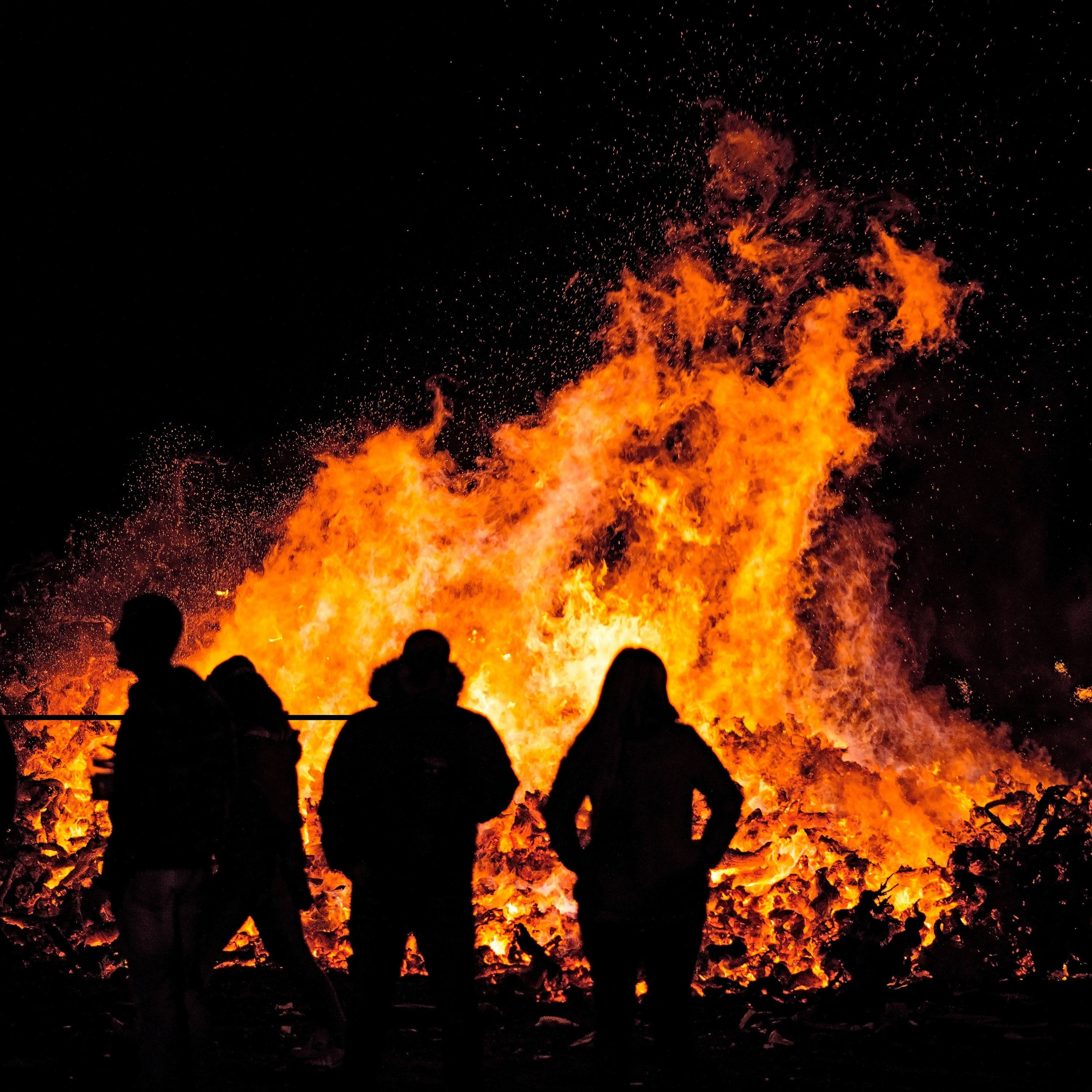
Why Bonfire Night is different
Bonfire Night looks simple on paper and complicated in real life. Earlier drinking, unpredictable footfall, families out, teenagers roaming, taxis backing up, and teams trying to hold standards while managing crowd behaviour.
Most issues don’t come from big drama. They come from small risks stacking up.
Common pressure points
Bottlenecks at entrances and bars
Glass taken outside “just for a minute”
Guests arriving already intoxicated
Toilets queues turning tense
Teams stretched thin and missing early warning signs
What strong operations do well
Good venues don’t get heavy-handed. They get predictable.
That means:
Clear entry and exit flow
Visible managers on the floor
Agreed refusal-to-serve decisions
Calm, consistent messaging from every team member
Six practical actions that reduce risk
1. Design for flow, not aesthetics
Remove unnecessary furniture and create obvious queue lines.
2. Brief like it’s an event night
Cover expectations, capacity, escalation, and scripts in a 10-minute briefing.
3. Give the team language
Scripts reduce conflict:
“I can swap that into plastic for outside.”
“We’re at capacity, but I can take your number.”
4. Protect your neighbours
Visible staff, regular outside checks, and clear signage all help.
5. Back refusal-to-serve decisions
Nothing undermines teams faster than inconsistent leadership.
6. Plan the end before the night begins
Taxi planning, last orders messaging, and controlled exits matter.
Useful resources
UK Hospitality – Licensing and safety guidance
Drinkaware – Alcohol responsibility resources
Local council licensing teams – Event-night compliance advice
Takeaway
Bonfire Night doesn’t need stress. It needs structure, clarity, and leadership that stays visible when it matters.

Host & Founder
Timothy R. Andrews has spent over two decades in hospitality. He founded and led a successful recruitment and training business for luxury four- and five-star markets before moving into senior talent leadership roles. Through the podcast Timothy focuses on credible voices, lived experience, and learning that can be applied immediately, giving back to the industry.

What Allyship Looks Like in Hospitality Leadership
